
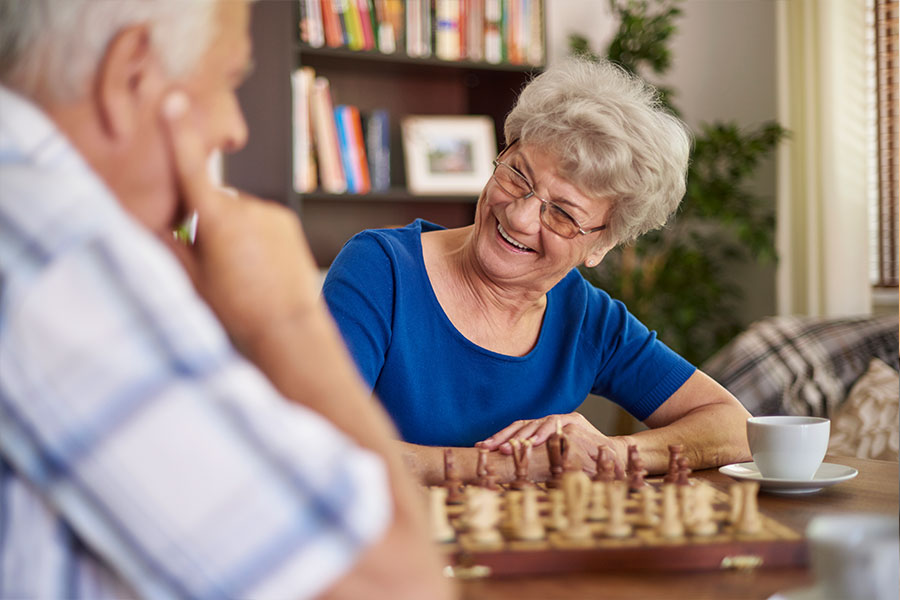
Providing compassionate care for an elderly resident goes beyond meeting basic needs—it is about creating an environment where seniors feel valued, respected, and supported. Each elderly resident has unique physical, emotional, and social requirements, and understanding these needs is essential for promoting their well-being. Whether at home, in assisted living, or in a care facility, offering tailored care ensures that elderly residents enjoy comfort, dignity, and quality of life.
The Importance of Understanding Elderly Residents
Every elderly resident experiences aging differently. Some may have mobility limitations, while others face chronic health conditions or cognitive changes. Emotional well-being is equally important; loneliness, anxiety, or depression can significantly impact an elderly resident’s quality of life. By understanding the holistic needs of elderly residents, caregivers can provide care that is not only safe and effective but also meaningful and compassionate.
Key Areas of Care for Elderly Residents
1. Physical Safety and Accessibility
The safety of an elderly resident should always be a priority. Measures include:
- Installing grab bars and handrails in bathrooms and hallways
- Removing tripping hazards such as loose rugs or clutter
- Ensuring adequate lighting in all living spaces
- Providing mobility aids or equipment as needed
These steps create a secure environment, allowing elderly residents to move around confidently and independently.
2. Health and Wellness Support
Health management is a cornerstone of compassionate care for elderly residents. This involves:
- Monitoring medications and assisting with proper dosages
- Scheduling and attending medical appointments
- Regularly tracking vital signs and overall health status
- Offering guidance on diet, hydration, and physical activity
A proactive approach helps elderly residents maintain their health and prevents complications before they arise.
3. Emotional and Social Support
Emotional well-being is just as important as physical health for an elderly resident. Compassionate care includes:
- Providing companionship and engaging in meaningful conversations
- Encouraging hobbies, social activities, and group interactions
- Offering emotional support for memory or cognitive challenges
Creating a supportive environment helps elderly residents feel valued, connected, and emotionally secure.
4. Personalized Care Plans
Every elderly resident is unique, and their care should reflect their individual preferences and needs. Personalized care plans include:
- Tailored daily routines and activity schedules
- Dietary plans suited to personal health requirements
- Consideration of cultural, spiritual, and personal preferences
This level of individualized attention ensures that elderly residents feel respected and cared for.
5. Maintaining Dignity and Independence
Respecting an elderly resident’s dignity is essential. Allowing seniors to make choices about their care, personal routines, and living environment fosters independence and self-esteem. Compassionate care balances assistance with autonomy, empowering elderly residents to retain control over their lives.
The Role of Professional Caregivers
Professional caregivers play a vital role in meeting the needs of elderly residents. Their expertise, experience, and dedication allow for high-quality care tailored to each individual. Skilled caregivers recognize the unique challenges faced by elderly residents and provide compassionate, patient, and respectful support in every aspect of daily life.
Benefits of Compassionate Care for Elderly Residents
- Improved Physical Health: Regular health monitoring and safety measures prevent accidents and promote wellness
- Emotional Well-being: Social interaction, companionship, and personalized attention reduce stress and loneliness
- Enhanced Quality of Life: Elderly residents feel valued, safe, and supported, leading to greater life satisfaction
- Peace of Mind for Families: Families can trust that their loved ones receive attentive, professional care
Providing compassionate care for an elderly resident requires more than just attending to basic needs—it demands understanding, patience, and dedication. By focusing on safety, health, emotional support, and personalized care, caregivers can create environments where elderly residents thrive. Recognizing each resident as a unique individual and addressing their specific needs ensures comfort, dignity, and a higher quality of life. Compassionate elderly care is not just about caregiving—it’s about enriching the lives of seniors every day.


0 Comments